 By Vance Neely
Introduction
Interior decor is more than an aesthetic exercise—it is a reflection of personality, lifestyle, and intention. Whether you reside in a compact city apartment or a spacious countryside retreat, the way you shape your interior environment influences how you live, feel, and welcome others. While decor trends evolve with time, the core principles of beautiful, livable spaces remain steadfast. In this article, we explore decor tips that blend elegance, function, and authenticity to help you create interiors that are both visually stunning and deeply personal.
Understanding Your Space Before Styling
Before diving into fabrics, colors, and furniture arrangements, it is essential to understand the unique character and purpose of each room.
Assess the Room’s Natural Strengths
-
Observe the natural light sources and how they shift throughout the day.
-
Consider the architectural features such as alcoves, arches, or moldings.
-
Note high-traffic areas versus quiet zones—this influences layout and material choice.
Define the Room’s Functionality
-
Will the space be used for entertaining, working, relaxing, or a combination of these?
-
Tailor your decor decisions to support the daily activities that occur within the space.
Timeless Color Palettes That Speak Calm and Sophistication
Color has the power to influence mood and perception. Choose hues that harmonize with your lifestyle and architectural context.
Choose a Neutral Foundation
-
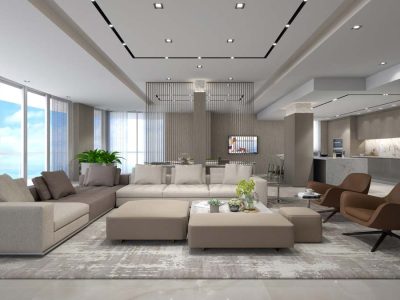
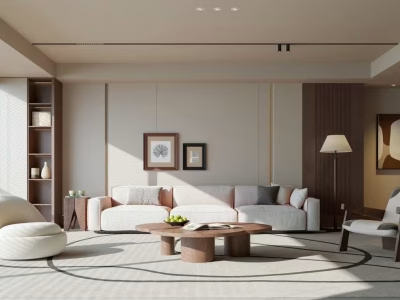
Warm whites, taupes, and soft greys offer a versatile canvas for layering textures and accents.
-
Neutral palettes give longevity to your design and work beautifully across seasons.
Incorporate Accent Colors with Intention
-
Use artwork, cushions, rugs, and fresh flowers to introduce seasonal or mood-based pops of color.
-
Deep jewel tones like emerald or sapphire can evoke opulence, while soft pastels add a romantic touch.
Mastering the Art of Layering
Layering is the key to a room that feels rich and lived-in rather than flat or overly styled. Thoughtful layering of texture, material, and form creates visual interest and comfort.
Textiles and Fabrics
-
Use a combination of fabrics—linen, velvet, wool, and cotton—to create depth and tactile variety.
-
Drape throws over sofas, layer cushions in different shapes, and mix subtle patterns to add personality.
Lighting in Layers
-
Blend ambient, task, and accent lighting to sculpt the mood of a room.
-
Floor lamps, sconces, chandeliers, and even candles each play a role in enriching a space’s atmosphere.
Curating Rather Than Cluttering
In a world filled with consumerism, restraint can be the ultimate sophistication. Instead of filling your home with trendy decor items, curate with thought and intention.
Invest in Statement Pieces
-
A single standout furniture item or an original artwork can anchor a room and define its character.
-
Choose quality over quantity; well-crafted pieces age gracefully and retain their charm over time.
Edit Ruthlessly
-
Regularly review and pare down unnecessary decor to avoid visual clutter.
-
Display only the items that bring you joy or serve a meaningful function.
Balancing Old and New
One of the hallmarks of great decor is the interplay of the past and present. Combining antique finds with modern elements adds soul and narrative to a space.
Use Heirlooms or Vintage Finds
-
An antique mirror, a mid-century chair, or a rustic wooden table can bring depth and warmth to a contemporary setting.
-
Flea markets, estate sales, and artisan boutiques are excellent sources for timeless treasures.
Introduce Modern Simplicity
-
Sleek lines and minimalist pieces prevent vintage-heavy rooms from feeling dated.
-
Consider modern lighting, metal finishes, or contemporary art to refresh the look.
Nature as the Ultimate Muse
Bringing nature into your home softens its edges and connects your living space to the outdoors. Natural elements are not just trends—they are grounding forces in design.
Plants and Greenery
-
Incorporate a mix of leafy houseplants, succulents, or fresh florals to breathe life into your decor.
-
Choose easy-care varieties like snake plants or pothos if you’re new to indoor gardening.
Natural Materials
-
Favor materials like wood, stone, rattan, and ceramic for furniture and accessories.
-
These elements provide texture, resilience, and an organic appeal that synthetic materials often lack.
Personalizing with Purpose
The most memorable spaces are those that tell a story. Your home should feel like you—a collection of memories, passions, and reflections.
Display Meaningful Objects
-
Showcase travel souvenirs, personal photographs, handmade crafts, or collections in a curated manner.
-
Create vignettes on shelves or tables with grouped objects that carry a cohesive theme or mood.
Create Visual Journeys
-
Use rugs to define zones, mirrors to reflect light and space, and artwork to draw the eye.
-
Maintain a sense of visual flow from one room to another, avoiding jarring transitions in color or style.
Conclusion: The Power of Thoughtful Design
Great decor is not about following the latest trend—it is about creating a space that resonates with your life, comforts your spirit, and delights the senses. By embracing timeless principles, respecting the unique nature of your space, and infusing it with your personal essence, you can craft a home that is both elegant and inviting. Let your decor be a living narrative—one that evolves gracefully, season after season, reflecting not only your taste but the story of your life within its walls.