 By Vance Neely
The world of interior design is undergoing a significant shift toward spaces that feel deeply personal, tactile, and grounded. Homeowners are moving away from sharp, sterile environments and cookie-cutter minimalism. Instead, the focus is on creating rooms that evoke emotional comfort, celebrate authentic materials, and display individual character. If you want to refresh your home, these ten prominent trends will show you how to blend modern functionality with enduring elegance.
1. Found Luxury and Narrative Layering
The era of perfectly matching furniture sets and cold, pristine showrooms has officially ended. Homeowners are now favoring what designers call found luxury, an approach that mixes contemporary pieces with vintage finds, thrifted accessories, and family heirlooms. This style focuses on creating a home that looks lived-in and tells a story over time.
To achieve this look, couple a modern, streamlined sofa with a mid-century wooden coffee table or an antique side chair. Patinated metals, hand-thrown ceramics, and weathered woods give spaces a sense of depth and history. The final result is an interior that feels collected rather than decorated, rewarding a closer look with unique details.
2. Biomorphic Shapes and Fluid Lines
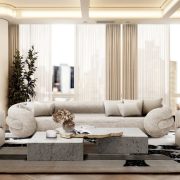
Sharp, rigid geometries and harsh right angles are yielding to softer, more fluid profiles. Biomorphic furniture, which takes inspiration from organic forms found in nature, has taken over contemporary spaces. This shift brings cloud-like sectional sofas, pebble-shaped stone tables, and gently curved accent chairs into the center of the home.
These rounded contours do more than simply look elegant. They also encourage a natural physical flow throughout a room and make spaces feel more welcoming and conversational. Arched doorways, curved kitchen islands, and undulating lighting fixtures help soften the boxy layout of standard residential architecture.
3. Book Drenching and Dedicated Libraries
Books are no longer hidden away or arranged strictly by the color of their spines. The book drenching trend involves enveloping entire rooms, from floor to ceiling, with built-in bookshelves packed with real, well-read literature. This aesthetic transforms living rooms, dining nooks, and corridors into cozy, intellectual sanctuaries.
Unlike decorative accent pieces, a comprehensive home library adds immediate warmth, texture, and color to a space. Designers recommend extending shelving all the way to the ceiling to maximize vertical storage space and emphasize the room’s height. It provides a perfect balance of practical utility and personalized visual charm.
4. Texture Maximalism Over Color Shock
While maximalism often brings to mind bright colors and clashing wallpaper patterns, the modern iteration emphasizes tactile variation. Texture maximalism layers diverse materials within a cohesive, often low-contrast color palette to create visual richness without overwhelming the eye.
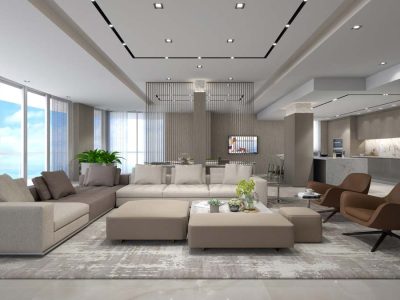
A single room might bring together matte ceramics, raw slatted wood, brushed nickel accents, and bouclé fabrics alongside velvet cushions and hand-knotted wool rugs. This design strategy invites you to touch the surfaces, adding substantial luxury and comfort to minimalist or neutral architectural spaces.
5. Earth-Anchored and Mood-Driven Palettes
The stark, all-white and all-gray color schemes that dominated the past decade have been replaced by deeper, earth-based tones. Homeowners are embracing cozy, comforting base hues that ground an interior.
-
Warm Neutrals: Shades like oatmeal, warm taupe, sand, and rich terracotta provide a soft, light-filled backdrop.
-
Rich Accent Hues: Saturated tones like olive green, burnt orange, mustard yellow, and deep ocean blue add layers of character through textiles and statement walls.
-
Color Drenching: Painting walls, baseboards, window trims, and even the ceiling in a single rich color creates an immersive, cocoon-like atmosphere in dens, bedrooms, and powder rooms.
6. Mixed Wood Tones
Matching all the wood finishes in a single room is a design practice of the past. Designers are now deliberately mixing various wood species, grains, and stain colors within the same environment to establish a casual, curated atmosphere.
The key to mastering this trend is ensuring that the different wood pieces have complementary undertones. For example, you can pair light white oak flooring with a rich walnut dining table or honey-toned pine cabinets. This variety creates a balanced visual rhythm that makes open-concept spaces feel warm, authentic, and naturally unified.
7. Integrated Acoustic Design
As homes continue to function as multi-use spaces for remote work, family life, and relaxation, managing interior noise has become an essential priority. Acoustic design elements are moving directly into mainstream residential decor, successfully combining acoustic function with high-end style.
Instead of relying on industrial foam panels, sound absorption is achieved beautifully through fluted wood wall baffles, cork floor tiles, fabric-wrapped acoustic panels, and heavy, double-layered linen curtains. These elements significantly lower echoes and ambient noise, turning busy bedrooms and home offices into quiet, calm sanctuaries.
8. Cooler Metallics and Nuanced Chrome
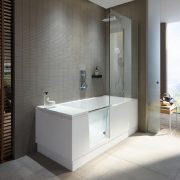
While warm brass and brushed gold have dominated kitchen and bathroom fixtures for years, cooler metallics are making a strong comeback. Polished chrome, stainless steel, and brushed nickel are taking over hardware, plumbing fixtures, and accent furniture.
This trend avoids the stark, industrial look of the early 2000s by utilizing sleek, European-influenced shapes and pairing cool metals with warm elements like unpolished stone and stained wood. Polished chrome provides a highly reflective surface that catches light beautifully, adding a sharp, contemporary edge to traditional rooms.
9. Japandi Maximalism
Japandi style, the elegant combination of Japanese minimalism and Scandinavian functionality, has evolved into a richer aesthetic. Japandi maximalism keeps the clean lines and serene atmosphere of the original look but introduces purposeful layering, larger sculptural objects, and texturally complex details.
Instead of leaving surfaces completely bare, this design trend encourages displaying oversized ceramic vases, large-scale abstract art, and woven baskets. The color palette stays soft and natural, but the overall space feels abundant, comfortable, and visually engaging rather than sparse or restrictive.
10. Climate-Responsive and Circular Materials
True sustainability has shifted from an optional feature to the core foundation of modern interior planning. Homeowners want to know where materials come from and how they impact indoor health and environmental well-being.
This trend highlights circular materials, such as countertops made from recycled glass and resin, reclaimed wood timbers, and architectural elements like indoor screens that improve cross-ventilation. Choosing locally sourced stone, eco-certified timbers, and natural, chemical-free textiles ensures that homes are environmentally responsible while maintaining a high standard of comfort and style.
Frequently Asked Questions
What is the best way to mix warm and cool metal finishes without making a room look cluttered?
To mix metals successfully, select one dominant metal finish to cover about seventy percent of the fixtures in the room, such as your main faucets and large light fixtures. Then, use a secondary metal for smaller items like cabinet knobs, picture frames, or tray accents. For instance, pairing a dominant brushed nickel with subtle brass accents gives you a balanced look that feels intentional rather than accidental.
How can I make an older home library look modern when using the book drenching style?
To modernise a floor-to-ceiling library, keep the shelving construction sleek with thin, crisp profiles, and incorporate integrated LED strip lighting under the shelves to illuminate the book covers. You can also break up rows of text by displaying contemporary sculptural art pieces, abstract ceramics, or small framed modern prints alongside your books to give the eye a clean place to rest.
Can biomorphic or rounded furniture work well in small apartments?
Yes, rounded and biomorphic furniture pieces are excellent for compact spaces. Because these pieces lack sharp corners, they naturally open up walkways and allow people to move around the room more freely. A round coffee table or a curved sofa can make a small living area feel larger and less rigid than square or rectangular alternatives.
What is the difference between traditional maximalism and texture maximalism?
Traditional maximalism relies on a bold mix of saturated colors, contrasting wallpaper patterns, and eclectic decor accessories. Texture maximalism, on the other hand, keeps the color palette relatively quiet and cohesive while layering diverse material surfaces like bouclé, raw wood, hammered metals, and coarse stone to create depth without visual chaos.
How do I introduce dark earth tones into a room that does not get much natural light?
In low-light spaces, avoid painting every wall a dark color, which can make the room feel small and dark. Instead, use the color drenching technique with a mid-tone earthy shade like olive green or warm terracotta on the walls and trim, and use a lighter neutral like oatmeal or soft white on the ceiling to reflect available light. Introduce deep mocha or charcoal tones through plush textiles, accent rugs, and dark wood furniture pieces.
Are fluted wood wall panels difficult to clean and maintain over time?
Fluted wood panels require minimal maintenance if they are sealed correctly during installation. Regular dusting with a microfiber cloth or using a vacuum cleaner with a soft brush attachment will keep the vertical grooves clean. Choosing high-quality panels with a durable matte finish will prevent dust accumulation and protect the wood from grease and fingerprints.