 By Vance Neely
The clean lines, geometric silhouettes, and minimalist aesthetics of modern architecture have led to a massive resurgence in low-slope and flat roofing systems. Once reserved almost exclusively for commercial warehouses and industrial complexes, flat roofs are now a staple of high-end residential design. They provide homeowners with sleek curb appeal, the potential for elevated outdoor living zones, and a highly efficient footprint for mounting solar arrays or HVAC equipment.
However, flat residential roofs face completely different environmental challenges than standard sloped roofs. Because they lack a steep pitch to shed water instantly via gravity, flat roofs are highly vulnerable to standing water, leaks, and UV degradation. Achieving a durable, waterproof barrier requires selecting the right specialized material engineered specifically for low-slope drainage. Understanding the strengths, drawbacks, and lifespans of modern flat roofing options is essential for protecting your property investment.
The Critical Challenge: Managing Water and Pitch
Before exploring specific materials, it is important to clarify a common industry misconception: no residential roof is completely flat. In modern building construction, all flat roofs are designed with a slight slope, typically a minimum of one-quarter inch of incline per vertical foot. This intentional slope ensures that rainwater flows naturally toward drainage points, such as scuppers, gutters, or internal drains.
When water remains on a flat roof for longer than forty-eight hours without draining or evaporating naturally, it is classified as ponding water. Ponding water places immense physical weight on the structural framing of your home, speeds up the breakdown of the roof chemistry, and significantly increases the risk of interior water damage. Therefore, flat roofing materials are engineered as continuous, seamless sheets or chemically fused barriers designed to remain fully submerged without leaking.
1. TPO (Thermoplastic Polyolefin)
Thermoplastic Polyolefin, commonly referred to as TPO, has rapidly grown into one of the most popular flat roofing options for energy-conscious modern homeowners. This single-ply membrane is manufactured from a blend of polypropylene and ethylene-propylene rubber, creating a highly flexible sheet that offers excellent durability.
-
Energy Efficiency: TPO is inherently bright white or light gray. This reflective surface bounces UV rays and solar heat away from the building, lowering indoor cooling costs during hot summer months.
-
Fused Seams: During installation, professionals roll out the TPO sheets and use a hot-air welding machine to melt the overlapping edges together. This thermal process creates a single, continuous membrane where the seams are actually stronger than the field material itself.
-
Puncture Resistance: TPO resists chemical exposure, punctures, tearing, and mold growth remarkably well, making it a highly reliable long-term shield for residential homes surrounded by overhanging trees.
2. EPDM (Ethylene Propylene Diene Monomer)
Ethylene Propylene Diene Monomer, or EPDM, is a synthetic rubber roofing membrane that has been a trusted performer in the industry for over half a century. Often referred to simply as rubber roofing, EPDM is an exceptionally durable option that excels in regions with severe winters and dramatic temperature fluctuations.
EPDM sheets are typically glued down to the roof deck using a strong liquid adhesive, or held down with heavy stone ballast. The material is incredibly elastic, allowing it to expand and contract dynamically as the house shifts throughout the seasons without cracking or tearing. Unlike TPO, traditional EPDM is dark gray or black. While this black surface absorbs heat, which can be an advantage in cold northern climates by helping to melt snow, it can increase indoor cooling loads in warm southern regions unless a specialized reflective top coating is applied.
3. PVC (Polyvinyl Chloride)
Polyvinyl chloride, or PVC, represents the premium tier of single-ply flat roofing membranes. PVC roofing is reinforced with a tough polyester scrim matrix sandwiched between two layers of vinyl, producing an exceptionally strong and stable roof barrier.
Like TPO, PVC roofing features hot-air welded seams that form an absolute watertight bond. PVC stands out for its exceptional resistance to animal fats, plant oils, harsh environmental chemicals, and roof fire hazards. It is highly resistant to damage from standing water and can easily withstand the weight of heavy service traffic, making it the ideal base membrane if you plan to install a rooftop deck, an outdoor terrace, or a heavy solar panel array. The primary drawback of a PVC roofing system is its initial material cost, which runs higher than both TPO and EPDM.
4. Modified Bitumen
Modified bitumen is a modern evolution of the classic built-up asphalt roof. It combines traditional asphalt layers with rubber or plastic modifiers, such as Styrene-Butadiene-Styrene, to increase the overall flexibility and strength of the system.
Modified bitumen is typically installed in a multi-layer configuration, featuring a base sheet followed by one or more cap sheets. The seams are joined using a propane torch to melt the asphalt together, or via cold-applied liquid adhesives and self-adhering backing sheets. The top layer is coated with ceramic granules to shield the underlying asphalt from UV rays and mechanical foot damage. While modified bitumen is highly impact-resistant and holds up well against heavy hail, its multi-layer installation process is labor-intensive and results in a heavier overall roof structure compared to single-ply membranes.
5. Built-Up Roofing (BUR)
Often referred to as tar and gravel roofing, Built-Up Roofing is one of the oldest methods used to seal low-slope structures. A BUR system is constructed by alternating multiple layers of asphalt-saturated felt with coats of hot liquid bitumen, finished with a heavy layer of gravel or river stone on top.
The multiple layers of a BUR system provide exceptional redundant protection; even if the top layer is punctured, the lower plies continue to keep water out. The heavy gravel topcoat makes the roof highly resistant to foot traffic, falling branches, and intense hail damage. However, BUR systems are incredibly heavy, requiring a reinforced roof truss system to support the weight. The hot application process also releases strong, unpleasant odors during installation, and finding the exact source of a leak can be difficult beneath the thick gravel ballast.
Frequently Asked Questions
How long does a typical residential flat roof material last before needing replacement?
The lifespan of a flat roof depends heavily on the specific material chosen and the quality of the installation. A standard EPDM rubber or TPO roof generally lasts between fifteen and twenty-five years. Premium PVC membranes can easily remain fully functional for up to thirty years, while multi-layer modified bitumen systems typically offer a reliable service life of fifteen to twenty years with proper maintenance.
Is it safe to walk regularly on a residential flat roof membrane?
While modern single-ply membranes like PVC and EPO can easily handle occasional foot traffic for routine cleaning and equipment maintenance, they are not designed to function as standard backyard patio surfaces. Regular walking, moving heavy patio chairs, or dropping sharp objects can puncture the underlying waterproof layer. If you want to use your flat roof as an outdoor living deck, your contractor must install specialized interlocking rubber pavers or a raised floating wood deck system over the protective membrane.
Why do flat roofs develop leaks more frequently around the edges than in the middle?
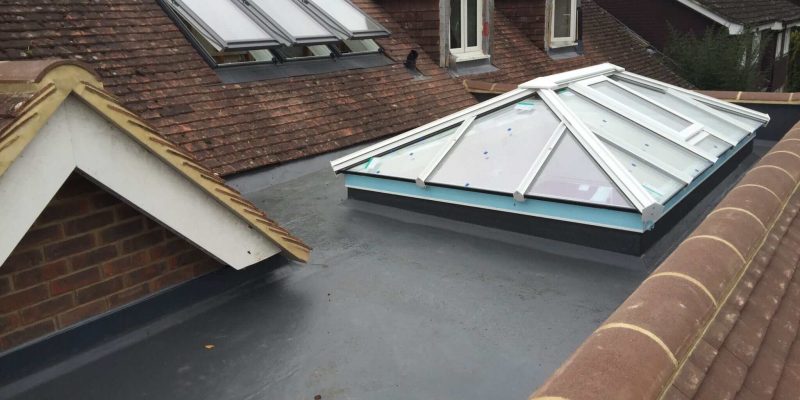
Most flat roof leaks occur at transition points rather than in the open fields of the membrane. The edges, corner walls, plumbing vent pipes, and skylight curbs are vulnerable because the material must be cut, bent, and sealed around these complex geometric obstacles. If the sealing tape, metal flashing, or liquid caulking at these junctions degrades over time due to weather exposure, water can seep behind the membrane.
How often should a homeowner clean the drainage systems on a flat roof?
Flat roof drainage paths, scuppers, and interior drains should be inspected and cleaned at least twice a year, ideally in the spring and late autumn. Because flat roofs rely on clear pathways to shed water, an accumulation of falling leaves, twigs, pine needles, or windblown trash can quickly dam the drains. This blockage causes water to pool on the roof surface, placing unnecessary stress on the system.
Can I install a new flat roof membrane directly over an old, leaking roof layer?
In many jurisdictions, building codes allow for a maximum of two roofing layers before requiring a complete tear-off. However, installing a new membrane directly over a failing, wet roof is generally a poor investment strategy. If moisture is trapped within the old insulation layers, it will rot the underlying wood decking, foster mold growth, and cause the new top membrane to blister and fail prematurely.
What are the main signs that a flat roof needs immediate professional repair?
Homeowners should look out for visible signs of distress, including deep pockets of standing water that remain days after a rainstorm, cracking or peeling along the seam tape, and large blisters or bubbles where the membrane has separated from the insulation board. Inside the home, unexplained ceiling stains, peeling paint near roof lines, or a sudden musty odor indicate that water has breached the external barrier.