
 By Vance Neely
Urban residential markets are no longer limited to city centers. In many metropolitan regions, city-fringe areas are experiencing significant growth due to a combination of accessibility improvements, lifestyle considerations, and long-term investment potential. Understanding what drives residential demand in these peripheral zones is critical for buyers seeking both practicality and future value.
Connectivity as a Primary Driver
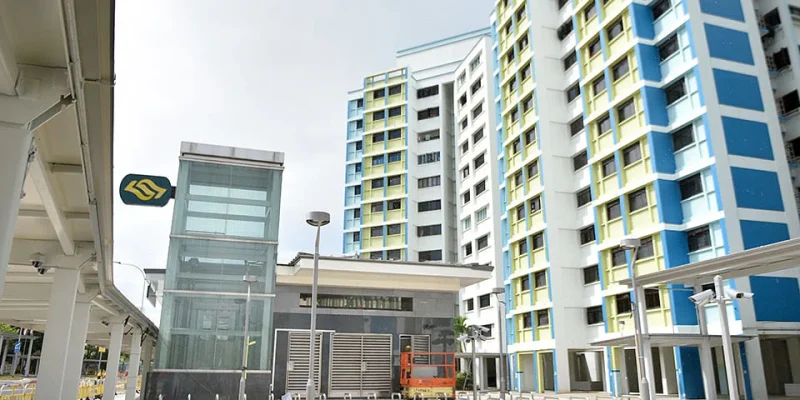
One of the key factors influencing demand in city-fringe areas is connectivity. Efficient access to central business districts, transport hubs, and regional expressways makes fringe locations more viable for daily commuting. Condominiums that are strategically positioned near MRT stations, bus terminals, or arterial roads often attract working professionals who desire space and affordability without sacrificing convenience.
Developments like Lentor Gardens Residences demonstrate how city-fringe living can combine accessibility with a quieter, more spacious environment. Well-planned transport linkages reduce travel time, making these locations competitive with more central urban districts.
Affordability and Space Advantages
City-fringe condominiums often provide more competitive pricing per square foot compared with central urban areas. For homebuyers, this translates into larger units, better layouts, and additional amenities at a similar investment level. These advantages appeal to families and professionals seeking enhanced livability without overextending budgets.
Projects like Lentor Gardens Residences illustrate how fringe developments leverage spatial efficiency and thoughtful floor planning to provide homes that feel larger, brighter, and more functional than typical city-center units.
Lifestyle and Environmental Appeal
Urban fringe areas often offer a better balance between built and natural environments. Proximity to parks, water bodies, or lower-density neighborhoods can improve quality of life while still maintaining access to urban conveniences. Buyers increasingly value these environmental factors alongside connectivity and unit design.
Condominiums such as Lentor Gardens Residences integrate these considerations by situating units to optimize views, natural ventilation, and light. The design enhances both immediate comfort and long-term satisfaction for residents who prioritize well-being without leaving the city’s reach.
Anticipation of Future Urban Development
Long-term demand in city-fringe areas is often influenced by projected urban planning initiatives. Infrastructure upgrades, commercial projects, and educational or healthcare facilities contribute to the perceived potential of a location. Investors and long-term homebuyers assess whether fringe neighborhoods are likely to see growth that will increase convenience, accessibility, and property value.
Properties like Lentor Gardens Residences exemplify developments positioned in areas with planned infrastructure and community growth. The foresight in location selection ensures that residents benefit not only from current convenience but also from future enhancements in livability.
Community and Amenity Integration
Shared amenities and community planning also drive demand in fringe developments. Condominiums with well-designed recreational facilities, social spaces, and functional layouts appeal to both families and young professionals. These features enhance the sense of community and make city-fringe living more attractive compared with isolated housing alternatives.
In Lentor Gardens Residences, community-oriented planning ensures that residents can enjoy fitness, leisure, and social interaction within the development itself. Such integration improves both lifestyle satisfaction and perceived value.
Conclusion
Residential demand in city-fringe areas is driven by a combination of connectivity, affordability, lifestyle considerations, and future growth potential. Condominiums that effectively integrate these factors into unit design, shared facilities, and location strategy appeal to a wide range of buyers, from families to young professionals.
Lentor Gardens Residences and Lentor Gardens Residences Condo exemplify how city-fringe properties can balance accessibility, space efficiency, and community planning. For buyers seeking long-term livability and growth potential, understanding these demand drivers is essential in selecting the right urban residence.