
Plumbing

Behind the Walls: The Art and Essential Science of Plumbing in Modern Living

Introduction

Plumbing is often the unsung hero of the built environment. Concealed within walls, beneath floors, and behind cabinetry, it quietly sustains the comfort, hygiene, and functionality of our everyday lives. From the moment we turn on a faucet to the time we flush a toilet, plumbing orchestrates a symphony of systems that are both complex and vital. Far from being a mundane aspect of construction, modern plumbing is a sophisticated discipline that blends engineering, environmental consciousness, and skilled craftsmanship. This article delves into the critical role plumbing plays in contemporary living, offering insights on its history, importance, evolving technologies, and best practices for maintaining efficient systems.

The Historical Roots of Plumbing

The origins of plumbing date back thousands of years. The ancient civilizations of Egypt, Rome, and the Indus Valley developed early water supply and sanitation systems, using clay pipes, aqueducts, and even lead conduits. These innovations were not merely utilitarian; they reflected a society’s advancement in health, infrastructure, and urban planning.

  • Roman Aqueducts: Ingenious gravity-fed systems transported clean water over vast distances, powering public baths and fountains.

  • Indus Valley Sewage: Among the first to develop underground drainage systems and household bathrooms with wastewater disposal.

  • Middle Ages Regression: Following the fall of Rome, plumbing knowledge waned in Europe, leading to centuries of poor sanitation and disease.

Today’s plumbing systems are a culmination of centuries of evolution, and they continue to develop in response to environmental needs and technological innovation.

Plumbing in the Modern Home

Modern plumbing encompasses a variety of systems, each designed to manage water in a specific way—whether it’s delivering potable water, removing waste, or heating for domestic use.

Primary Plumbing Systems

  • Water Supply System: Brings clean, pressurized water into the home. It includes service lines, valves, fixtures, and water heaters.

  • Drainage System: Responsible for removing wastewater and sewage. It relies on gravity and includes drainpipes, vent pipes, and sewer lines.

  • Gas Plumbing: Used for heating, cooking, and appliances like water heaters and dryers. Requires meticulous installation and monitoring for safety.

  • Fixture Setups: Includes sinks, faucets, toilets, bathtubs, showers, dishwashers, and washing machines—all endpoints of the plumbing network.

The Role of a Professional Plumber

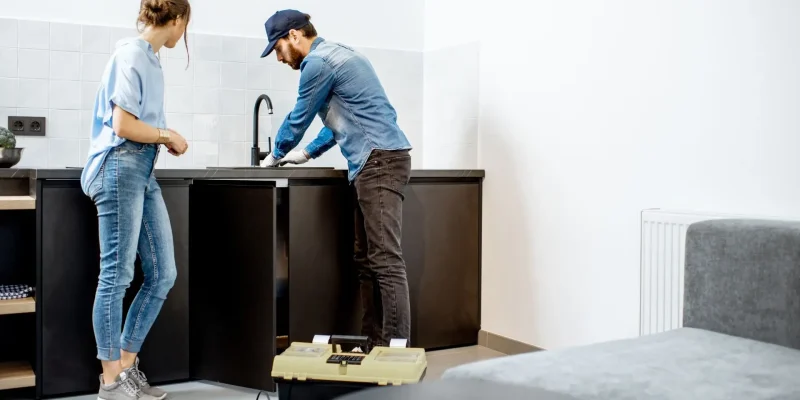
Plumbing is both science and trade. A professional plumber is not only a technician but a problem-solver, an engineer, and at times, a consultant.

Why Professional Plumbing Matters

  • Code Compliance: Ensures installations meet municipal regulations and safety standards.

  • Leak Detection: Identifies hidden leaks that could cause structural damage or mold growth.

  • System Optimization: Balances water pressure, flow rate, and energy usage for efficiency and cost savings.

  • Emergency Services: Handles urgent issues like burst pipes, sewage backups, or failed water heaters.

Common Plumbing Issues and Their Implications

Even in a well-maintained home, plumbing problems can arise. Being aware of the most common issues can help homeowners respond promptly and prevent more serious damage.

Frequent Plumbing Problems

  • Leaky Faucets: Waste water and increase utility bills; often caused by worn-out washers or seals.

  • Clogged Drains: Result from grease, hair, soap buildup, or foreign objects.

  • Running Toilets: Can waste hundreds of gallons a day; usually due to faulty flapper valves or fill mechanisms.

  • Low Water Pressure: May indicate a pipe leak, sediment buildup, or problems in the municipal supply.

  • Burst Pipes: A severe issue, often resulting from freezing temperatures or excessive pressure.

Preventive Maintenance Tips

Like any vital system, plumbing benefits from regular inspections and preventive care.

How to Maintain Plumbing Health

  • Check for Leaks Monthly: Inspect under sinks and around toilets or appliances for signs of moisture.

  • Flush Drains with Hot Water: Helps prevent grease and soap scum buildup in kitchen and bathroom drains.

  • Clean Aerators and Showerheads: Mineral deposits can restrict flow; soak in vinegar for easy cleaning.

  • Insulate Exposed Pipes: Especially important in colder climates to prevent freezing and bursting.

  • Test Water Pressure: A pressure gauge attached to an outdoor spigot should read between 40 and 60 psi.

Sustainability and Eco-Friendly Plumbing Solutions

As global water resources become more strained, sustainable plumbing practices have gained momentum. Innovations focus on conservation, energy efficiency, and minimizing waste.

Eco-Conscious Plumbing Innovations

  • Low-Flow Fixtures: Toilets, showerheads, and faucets that use less water without compromising performance.

  • Tankless Water Heaters: Heat water on demand, reducing energy consumption and standby losses.

  • Greywater Recycling: Reuses water from sinks, showers, and laundry for landscape irrigation or toilet flushing.

  • Smart Leak Detectors: Connected to mobile apps, they provide real-time alerts about potential leaks or system anomalies.

  • Rainwater Harvesting Systems: Collect and store rainwater for non-potable uses, reducing dependence on municipal water.

The Importance of Quality Materials and Installation

A plumbing system is only as good as its components and the craftsmanship behind it. Using substandard materials or taking shortcuts during installation can lead to premature failures.

Best Practices in Plumbing Installation

  • Choose the Right Pipes: Copper, PEX, and PVC all have unique advantages; selection depends on application and local codes.

  • Use Proper Fittings: Ensures tight seals, minimal flow restrictions, and compatibility with pipe materials.

  • Respect Water Slope: Drainage pipes must have a proper gradient to prevent standing water and blockages.

  • Ventilation Matters: Vent pipes are essential to release sewer gases and maintain proper pressure in the drainage system.

Plumbing and Home Value

Investing in high-quality plumbing systems enhances not just comfort but also property value. Homebuyers are increasingly scrutinizing hidden systems like plumbing and electrical during inspections.

Plumbing Features That Attract Buyers

  • Modern, updated fixtures with water-saving certifications.

  • Tankless or energy-efficient water heaters.

  • A well-maintained sewer and drainage system.

  • Filtered or softened water systems for improved quality.

Conclusion

Though often overlooked, plumbing is a cornerstone of modern living. It is the infrastructure behind cleanliness, health, efficiency, and convenience. From ancient aqueducts to smart leak sensors, the evolution of plumbing is a testament to human ingenuity. Whether you’re building a new home, renovating an old one, or simply maintaining your space, understanding the importance of sound plumbing is essential. It’s not just about pipes and drains—it’s about sustaining a lifestyle that values reliability, safety, and sustainability. In the quiet rush of water behind your walls lies the pulse of a home truly built to last.

What is your reaction?

Excited
0
Happy
0
In Love
0
Not Sure
0
Silly
0

You may also like

More in:Plumbing