 By Vance Neely
Introduction
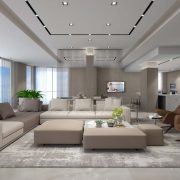
Furniture is more than just functional—it is the framework upon which the essence of a space is built. It shapes how we interact with our homes, influences our daily routines, and subtly communicates our taste and sensibility. Whether minimalist or ornate, rustic or modern, the right furniture defines a room’s character. In a world increasingly driven by design-conscious living, investing in thoughtful, well-crafted furniture has become an essential component of a sophisticated lifestyle. This article explores how furniture acts as both art and utility, and offers refined guidance for selecting, styling, and maintaining pieces that truly elevate your interior space.
The Role of Furniture in Interior Design
Furniture serves as both the backbone and the soul of interior design. It defines the layout, determines the flow of movement, and sets the tone for the overall aesthetic of a room.
Defining Purpose and Space
-
Each piece should respond to the room’s primary function—whether it’s relaxation, conversation, dining, or productivity.
-
Furniture anchors each zone of an open-plan layout, providing spatial clarity and comfort.
-
The scale of furniture must match the size of the room—oversized furniture in a small room can feel claustrophobic, while delicate pieces in a large room can appear insignificant.
Aesthetic Balance and Personal Expression
-
Furniture bridges form and function, blending practical use with visual delight.
-
Material, color, and style choices reflect not just trends, but personal narratives—furnishings are often repositories of memory, tradition, or travel.
-
A well-balanced room mixes statement furniture with subtle, supporting pieces to create harmony without overwhelming the senses.
Choosing Quality over Quantity
In the age of fast furniture and mass production, there’s growing appreciation for craftsmanship, timelessness, and sustainability.
Invest in Timeless Pieces
-
Signature pieces such as a Chesterfield sofa, a mid-century sideboard, or an Eames lounge chair carry enduring appeal.
-
These items not only elevate design but retain their value over time, both emotionally and financially.
Look for Craftsmanship and Material Integrity
-
Solid wood, hand-welded metals, genuine leather, or high-quality fabrics stand the test of time and age gracefully.
-
Joinery methods like dovetail or mortise-and-tenon joints are marks of excellence and durability.
The Essential Categories: Furnishing with Purpose
Each furniture category serves a distinct purpose in your home. Selecting wisely within each type ensures both comfort and visual cohesion.
Living Room Essentials
-
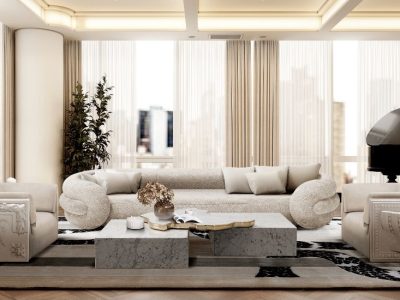
Sofas and Sectionals: Choose based on seating needs, room size, and lifestyle. A neutral tone offers longevity, while bold upholstery creates impact.
-
Coffee and Side Tables: Opt for materials that complement the flooring and other surfaces. Consider storage features for added practicality.
-
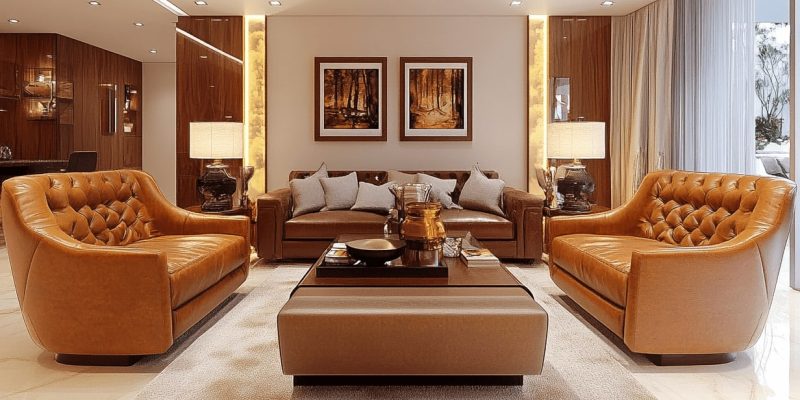
Accent Chairs: Use one or two to inject color, texture, or contrast into the layout. Curved shapes or tufted designs can soften a room’s geometry.
Dining Area Details
-
Dining Tables: Rectangular tables suit formal settings, while round or oval ones encourage conversation and save space.
-
Chairs: Ensure they balance comfort and aesthetics. Mixing materials—like upholstered seats with wooden frames—adds dimension.
-
Sideboards and Buffets: Useful for storage and display, these pieces also ground the dining room with weight and structure.
Bedroom Basics
-
Beds and Headboards: Upholstered or wooden headboards add sophistication. Platform beds offer a modern profile; four-posters bring classic elegance.
-
Nightstands: Choose pairs for symmetry. Drawers provide discreet storage, while open shelving adds a casual vibe.
-
Dressers and Armoires: Beyond storage, they act as visual focal points when topped with mirrors or curated decor.
Home Office Must-Haves
-
Desks: Prioritize functionality with enough surface area for your workflow. Built-in drawers offer convenience without clutter.
-
Ergonomic Chairs: Comfort and support should never be compromised, especially with long working hours at home.
-
Shelving Units: Custom cabinetry or modular bookcases organize documents while contributing to the room’s style.
The Power of Placement
How furniture is arranged is as vital as the furniture itself. Strategic placement enhances flow, creates intimacy, and improves functionality.
Consider Flow and Function
-
Maintain generous walkways—at least 3 feet between major pieces—to prevent cramped navigation.
-
Orient seating arrangements around focal points like fireplaces, large windows, or artwork.
Create Visual Balance
-
Mix different heights and forms—combine low-profile sofas with tall bookshelves, or a round table with angular chairs.
-
Avoid overfilling a room; negative space is essential for the eye to rest and the room to breathe.
Styling and Layering for Personality
Styling transforms furniture from objects to expressions. Layering adds life, depth, and individuality.
Accentuate with Accessories
-
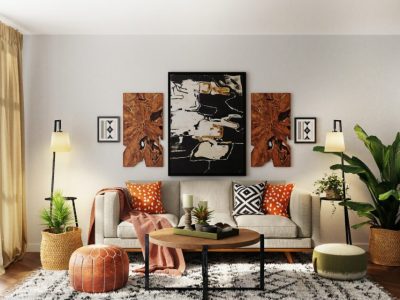
Throw blankets, cushions, trays, books, and vases personalize furniture while adding texture.
-
Rugs anchor furniture arrangements and can define zones within a room.
Mixing Eras and Styles
-
Pair antique pieces with contemporary designs for a collected, curated look.
-
Contrast sleek surfaces with tactile materials—glass with velvet, metal with linen—to stimulate the senses.
Sustainability and Conscious Choices
As awareness of environmental impact grows, sustainable furniture practices are becoming a mark of thoughtful living.
Eco-Friendly Furniture Tips
-
Choose FSC-certified wood, recycled materials, or pieces made with low-VOC finishes.
-
Support local artisans or heritage furniture makers with ethical practices.
-
Upcycle vintage furniture or refurbish heirlooms instead of discarding them.
Caring for Your Furniture
Elegant spaces require care. With proper maintenance, quality furniture lasts decades, aging gracefully and gaining character over time.
Maintenance Essentials
-
Dust wood surfaces regularly and use coasters to prevent watermarks.
-
Rotate cushions and vacuum upholstery to preserve shape and cleanliness.
-
Use appropriate cleaners—never harsh chemicals—on leather, stone, or delicate finishes.
Conclusion
Furniture, in its finest form, is more than utilitarian—it is poetry in structure, storytelling in silhouette, and comfort in design. It sets the rhythm of a home, influences the way we live, and adds subtle richness to our daily experience. By choosing pieces with intention, placing them with care, and investing in quality, you create a home that is not only visually compelling but emotionally resonant. In this dance between structure and style, function and beauty, furniture remains the silent but powerful narrator of the life lived within.