 By Vance Neely
Introduction
An exterior is more than a protective shell—it is the face of a home, a first impression, and a visual narrative of the lifestyle within. While interiors are private expressions, the exterior communicates to the world. It speaks of taste, care, architectural values, and sometimes even heritage. Whether you’re designing a new home, restoring a historic property, or refreshing curb appeal, the exterior must be both beautiful and functional. In this article, we explore thoughtful, timeless ways to enhance your home’s exterior with design intelligence, material sophistication, and aesthetic balance.
Understanding the Essence of Exterior Design
Designing an exterior is a multidimensional task. It requires sensitivity to the surrounding environment, consideration of climate, and a strong sense of architectural harmony. A well-designed exterior should feel cohesive with the home’s structure and natural setting.
Key Principles of Exterior Design
-
Balance and Proportion: The alignment of windows, doors, and roofing should reflect symmetry or intentional asymmetry to establish visual order.
-
Material Harmony: Whether it’s stone, wood, brick, or stucco, materials should reflect both durability and regional appropriateness.
-
Color Cohesion: The palette must complement the roof, landscape, and surrounding homes without compromising individuality.
Choosing the Right Architectural Style
Before diving into details, it’s crucial to define or honor the architectural style of the property. This ensures authenticity and visual consistency throughout.
Popular Architectural Inspirations
-
Modern Minimalism: Clean lines, flat or shed roofs, and large glass panels characterize this sleek, sophisticated look.
-
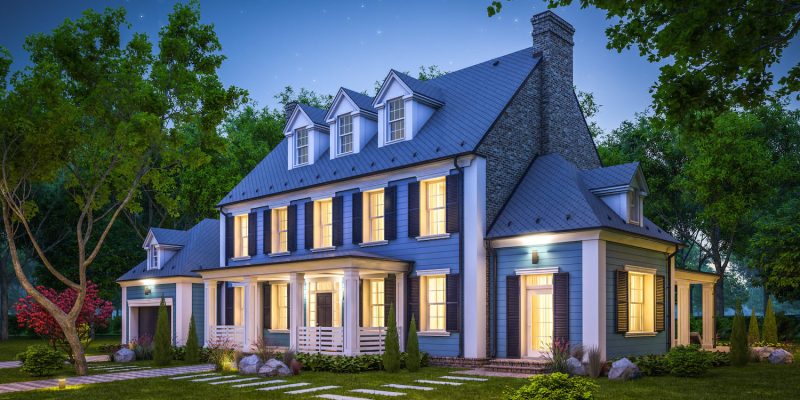
Colonial Elegance: Symmetrical facades, gabled roofs, and shuttered windows evoke a timeless, stately feel.
-
Mediterranean Warmth: Terracotta roofs, stucco walls, arched entryways, and iron accents bring a relaxed, sun-drenched appeal.
-
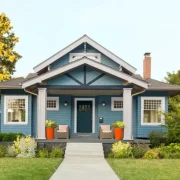
Cottage Charm: Gables, decorative trims, stonework, and pastel hues offer a cozy, storybook character.
Materials That Marry Form and Function
The choice of materials influences not only aesthetics but also longevity and maintenance. It’s a blend of beauty and practicality.
Exterior Material Options
-
Brick: Offers classic appeal and excellent durability; ideal for traditional and transitional homes.
-
Wood Cladding: Lends warmth and texture; works well in rustic, farmhouse, or Scandinavian-inspired designs.
-
Fiber Cement Siding: A low-maintenance, fire-resistant option that mimics wood or stucco textures.
-
Natural Stone Veneer: Adds richness and earthiness; perfect for grounding the structure visually in its landscape.
Curb Appeal: Elevating the Everyday
Curb appeal isn’t just about impressing neighbors—it’s about creating a welcoming entry point that reflects pride and care. Even minor exterior improvements can elevate the visual experience dramatically.
Ways to Instantly Improve Curb Appeal
-
Refine the Entryway: Upgrade your front door with a bold color, elegant hardware, and ambient lighting.
-
Upgrade Landscaping: Symmetrical planting, manicured shrubs, seasonal blooms, and mulched beds can frame your home like a work of art.
-
Install Pathways and Edging: Use stone, brick, or pavers to define walkways and borders. This adds structure and visual rhythm.
-
Add Shutters or Trim Accents: Painted wood or composite shutters can accentuate windows and add charm without overwhelming the façade.
The Role of Lighting in Exterior Elegance
Outdoor lighting serves dual purposes: enhancing safety and showcasing architectural features. Subtle, strategic lighting can transform your home’s nighttime presence.
Outdoor Lighting Essentials
-
Pathway Lights: Ensure safe movement and add magical evening appeal.
-
Wall-Mounted Sconces: Flank entryways or garage doors to establish symmetry and provide ambient lighting.
-
Spotlights and Uplighting: Highlight trees, columns, or textured façades with soft beams to create drama.
-
Pendant or Lantern Fixtures: Ideal for porches and overhangs, offering style and function in equal measure.
Landscaping: The Living Frame of Your Home
A beautifully designed landscape acts as a living, breathing border to your house. It softens architecture, enhances privacy, and brings movement and color through the seasons.
Landscaping Considerations
-
Native Plant Choices: Choose plants that thrive in your local climate for low maintenance and sustainability.
-
Layering Plants: Mix low ground covers with medium shrubs and taller trees for depth and visual hierarchy.
-
Seasonal Planning: Incorporate evergreens, flowering perennials, and deciduous plants for year-round interest.
-
Functional Zones: Designate areas for sitting, gardening, or even outdoor dining to extend the use of your exterior space.
Roofing and Finishing Touches
The roof is often overlooked in design discussions, but it plays a critical role in defining the home’s silhouette. Likewise, finishing touches like gutters, downspouts, and house numbers deserve careful thought.
Exterior Detailing Tips
-
Select Roof Materials Wisely: Architectural shingles, slate, or metal roofs add character and durability.
-
Accent with Trim: Painted trim around windows, doors, and roof lines defines shapes and ties elements together.
-
Coordinate Fixtures and Hardware: Mailboxes, door handles, and house numbers should be cohesive in material and finish.
-
Maintain Cleanliness: A well-maintained exterior free from dirt, mildew, and clutter always appears more luxurious.
Sustainability in Exterior Design
As environmental consciousness grows, sustainable design becomes not just a trend but a necessity. From energy efficiency to low-impact materials, there are many ways to green your exterior.
Eco-Friendly Choices
-
Install Solar Panels: Blend energy efficiency with modern aesthetics.
-
Use Rainwater Harvesting Systems: Collect and reuse rainwater for irrigation to reduce resource waste.
-
Opt for Permeable Paving: Allows water to seep into the ground, reducing runoff and supporting aquifers.
-
Choose LED Exterior Lighting: Saves energy and reduces the need for frequent bulb replacements.
Conclusion
Designing a home’s exterior is a thoughtful interplay between function, beauty, and personal narrative. It requires consideration of materiality, environment, and architectural consistency, but also leaves space for personality and innovation. Whether you’re envisioning a complete transformation or making subtle enhancements, the exterior should embody the grace and confidence of a home that knows its identity. As the threshold between public and private, it is your home’s statement to the world—a signature of taste, care, and lasting elegance.